The blocks along here were sold from 1914 for the view and the water, and they were laid out to follow the land rather than to a grid. That is exactly why they are attractive, and it is also why a proportion of them fall away from the street rather than toward it.
If you are buying one and you have any intention of altering the house, extending it, adding a pool or rebuilding, there is one question worth asking before the rest: where is the stormwater allowed to go? On a falling block it can be the difference between a project that proceeds and one that cannot.
Establish, before you commit, whether the property can dispose of stormwater by gravity to a recognised drain. If it cannot, and pipes would need to cross other land, a legally created easement is required, and without it a Complying Development Certificate is not possible. Pumping is not an available workaround here. Ask whether an easement already exists, because that single fact changes what the block is worth doing anything with.
- Ask the agent directly whether a drainage easement exists, in writing
- Ask whether stormwater currently discharges by gravity to a drain
- Check the title for easements benefiting and burdening the land
- Have the drainage looked at before exchange rather than after
- Council is the authority on what is permitted for that property
On this page
1. Why this is a purchase question rather than a later one
Almost everything about a house can be dealt with after you own it. Plumbing can be renewed, a kitchen can be replaced, and a bad decision is usually just money.
Where the stormwater is allowed to go is different, because it can depend on somebody who does not work for you and has no obligation to help. An easement is a legal right over a neighbour's land, negotiated between owners and registered on title. If the neighbour is not interested, there is no amount of money on your side that converts that into a yes.
So it is one of the few things about a property that you genuinely want settled before you own it rather than after, because before you own it, you still have the option of not owning it.
Plenty of excellent properties here fall away from the street and have entirely adequate drainage arrangements. The mistake is not buying one, it is buying one without asking.
2. What to ask, and get in writing
- Does stormwater from the property discharge by gravity to a recognised drain?
- If not, is there a registered drainage easement over an adjoining property?
- Is there an easement over this property benefiting somebody else?
- Has any infiltration or absorption system been installed, and was it approved?
- Has there been any history of water problems on the block?
- Has any drainage work been done, and is there documentation for it?
These are reasonable questions and a vendor who knows will simply answer them. An answer of "nobody has ever mentioned it" is itself informative, particularly on a block that visibly falls away from the road.
Get the answers in writing. Not because anybody is expected to be dishonest, but because a remembered conversation is worth nothing three months later.
3. What the title documents will show
Easements are registered on title, so they are documented rather than a matter of local memory. Your legal adviser will look at the title as a matter of course, and it is worth asking them specifically about drainage easements in both directions.
An easement benefiting the property is the thing that makes a falling block workable, and it is genuinely good news. An easement burdening the property means somebody else's drainage has a legal right to cross your land, which matters if you were planning to build, pave or plant over that route.
Neither is automatically a problem. Both are things to know before rather than after, and interpreting them is a legal question rather than a plumbing one.
4. What a plumber can add before you exchange
A building inspection looks at the structure. Drainage is usually a separate question and frequently not covered in any depth, which is why so many owners find out afterwards.
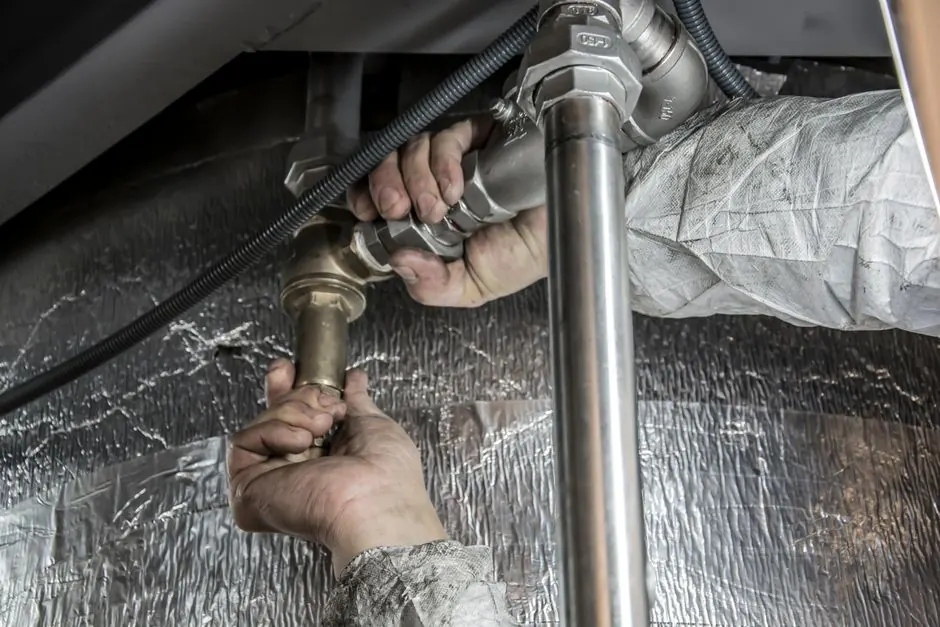
What we can establish, on a property you are considering, is how the block actually falls, where the existing stormwater currently discharges, what condition the lines are in, and whether gravity to a recognised drain looks achievable. That last one is the question everything else hangs off.
It is a modest cost against a purchase, and the outcome is either reassurance or a genuinely important piece of information. Both are worth having before you sign rather than after.
Considering a block that falls away?
We can look at the drainage before you commit and tell you plainly what is there.
5. The workarounds that are not available here
Worth knowing these in advance, because they are the three things a buyer typically assumes will solve it.
- Pumping it back to the street. Pump-out and charged drainage systems are prohibited in this shire, with an exception for basement car parks.
- Soaking it away on the block. Infiltration is accepted only in limited cases and needs formal Council approval, and it performs worst on the steep ground where you would most want it.
- Dealing with it informally with the neighbour. A handshake is not an easement. What is required is a legally created instrument registered on title.
If a design depends on any of those three, it depends on something that may not be available, and that is worth understanding at the price-negotiation stage rather than at the approval stage.
6. If you have already bought one
None of this is a disaster and most of these properties are entirely fine. The useful move is simply to find out where you stand while nothing is urgent.
Establish how the block falls, where the stormwater currently goes, and whether the title carries anything relevant. If gravity to a drain works, you can stop thinking about it. If it does not, you now have the time to have a courteous, unhurried conversation with a neighbour rather than an urgent one with a builder waiting.
The difference between those two conversations is months of calendar, and it is entirely within your control if you start early.
- These blocks were laid out to follow the land, and a good number fall away from the street.
- The purchase question is whether stormwater can reach a recognised drain by gravity.
- If it cannot, an easement over neighbouring land is required and it depends on somebody else.
- Pumping is prohibited here and infiltration needs approval, so neither is a reliable fallback.
- Easements are registered on title, in both directions. Ask your legal adviser about both.
- A drainage look before exchange is cheap. Finding out afterwards may not be fixable.
Buying a falling block FAQs
Is a block that falls away from the street a bad buy?
Not at all. A great many of them are excellent properties with perfectly adequate drainage arrangements. The point is to ask the question rather than assume, because the answer is not something you can change later on your own.
What if there is already an easement?
That is good news, and it is the thing that makes a falling block straightforward. Your legal adviser will confirm what it covers and where it runs, which is worth knowing before you plan anything on that part of the land.
Will a building inspection cover this?
Usually not in any depth. A building inspection is about the structure. Drainage is a separate question and it is exactly the one people find out about afterwards.
Can I negotiate an easement after I buy?
You can try, and plenty of people do successfully. What you cannot do is rely on it, because it depends entirely on a neighbour agreeing and there is no mechanism that makes them. That is the risk worth pricing before you sign.
Does this apply if I am not planning to renovate?
Much less so. For an existing house draining as it always has, this is largely a background fact. It becomes decisive the moment a project changes where water goes or needs a certificate.
Who is the authority on all this?
Council, on what is permitted for a specific property. Your legal adviser, on anything about title and easements. We can tell you what is physically there and whether gravity to a drain looks achievable, and that is genuinely useful, but it is not the whole answer.